Understanding Nyonya4D and Its Cultural Significance
The rich tapestry of Nyonya culture serves as a fascinating lens through which to explore the complexities of identity, tradition, and culinary excellence. This vibrant culture, born from the fusion of Chinese immigrants and local Malay communities, has given rise to distinctive customs, artistic expressions, and, notably, a culinary heritage that resonates with international audiences today. As we delve deeper into the Nyonya culture, we can uncover its threads woven into modern society and the significance of its preservation. To gain comprehensive insights into this treasure trove of heritage, exploring resources like nyonya4d can be beneficial.
What is Nyonya Culture?
Nyonya culture, also known as Peranakan culture, refers to the unique blend of Chinese and Malay influences that emerged primarily in Malaysia and Singapore. The Nyonyas, or women of this culture, are renowned for their colorful attire, intricate beadwork, and culinary flair. This cultural group has historically contributed to the regional diversity, marked by traditions that encapsulate both Chinese lineage and local Malay customs, creating a harmonious yet distinctive identity that continues to thrive.
The Historical Impact of Nyonya Traditions
The historical roots of Nyonya culture date back to the 15th century when Chinese merchants began settling in the Malay Archipelago. Over time, they intermarried with local Malays, resulting in a new social class known as the Peranakan. This blending of cultures has significantly influenced various aspects of life, including language, cuisine, art, and music, creating a vibrant cultural ecosystem that reflects resilience and adaptation. Nyonya culture has faced challenges through colonization and globalization, yet it has persevered, demonstrating a remarkable ability to evolve while retaining its core values.
Key Elements that Define Nyonya4D
Key elements of Nyonya4D include traditional culinary practices, artistry in clothing, and cultural performances. Each aspect plays a crucial role in the identity of the Nyonya community. For instance, the elaborate dishes prepared by Nyonyas not only highlight their culinary skills but also embody stories and beliefs passed down through generations. Additionally, attire such as the Kebaya symbolizes Nyonya elegance and cultural pride, making it an enduring emblem of identity.
Exploring Traditional Nyonya Cuisine
To fully appreciate Nyonya culture, one must delve into its exquisite cuisine, known for its bold flavors, aromatic spices, and colorful presentation. Nyonya cuisine is a testament to the harmonious blending of Chinese cooking techniques and Malay ingredients, resulting in distinctive dishes that tell stories of heritage.
Essential Ingredients in Nyonya Cooking
The cornerstone of Nyonya cuisine revolves around a selection of essential ingredients, including lemongrass, galangal, turmeric, and shrimp paste. These ingredients not only enhance the flavors but also symbolize the richness of the local environment. Nyonya chefs often use these ingredients to create intricate spice pastes known as "rempah," which are foundational to many traditional dishes.
Popular Nyonya Dishes to Try in 2026
In 2026, several Nyonya dishes are gaining popularity both locally and internationally. Must-try dishes include:
- Ayam Penyet: A smashed fried chicken served with sambal and rice, showcasing a wonderful balance of spices.
- Laksa: A spicy noodle soup that combines coconut milk with a rich blend of spices, offering a delicious comfort food experience.
- Buah Keluak: A unique dish made with the black nut of the kepayang tree, often prepared with chicken or beef, demonstrating intricate Nyonya cooking techniques.
Cooking Techniques Unique to Nyonya Cuisine
Nyonya cooking techniques often include elaborate methods such as slow-cooking and the use of mortar and pestle to create spice pastes. The emphasis on freshness and balance is evident in the preparation of dishes, where artisans strive for harmony in flavor and presentation. Traditional cooking methods have adapted over time but remain rooted in history, showcasing the Nyonya dedication to culinary arts.
Diving into Nyonya Fashion and Artistry
Nyonya fashion is as rich as its cuisine, characterized by intricate designs and vibrant colors that speak volumes about the culture's history. The Kebaya, combined with batik fabrics, serves as a beautiful representation of Nyonya identity.
Understanding Kebaya and Batik: Symbols of Identity
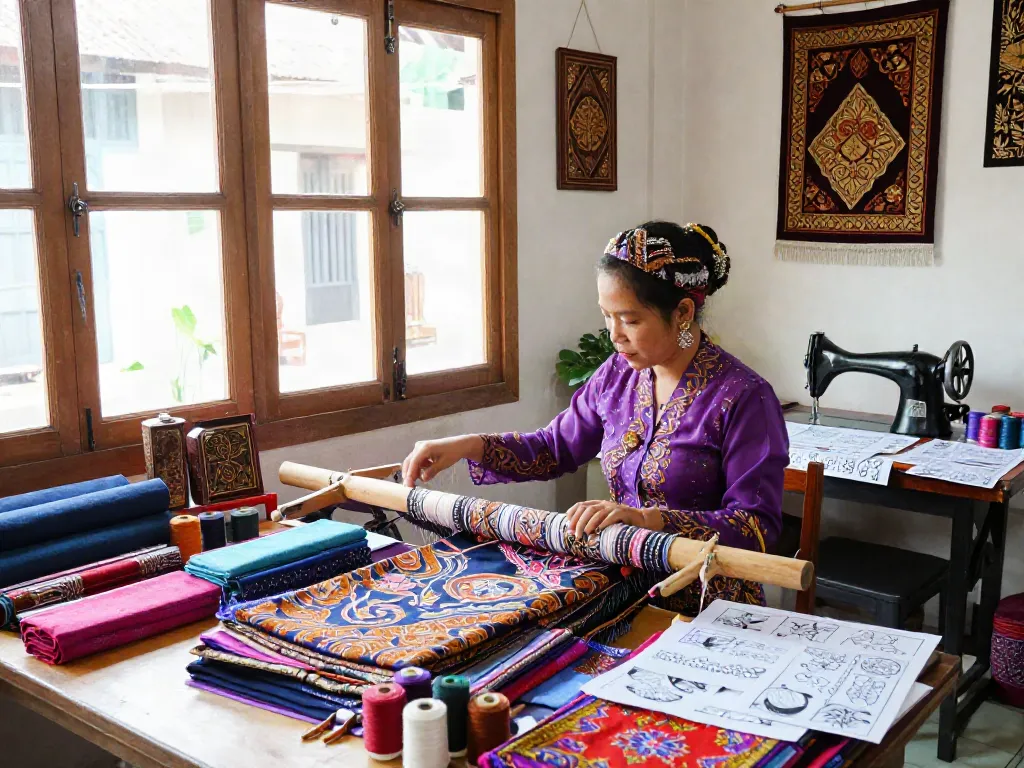
The Kebaya is a traditional blouse-dress combination, often embellished with detailed embroidery and worn over a batik sarong. Batik, with its unique wax-resist dyeing technique, showcases intricate patterns that hold cultural significance. Together, these garments embody the elegance of Nyonya women and reflect their identity through art and fashion.
Crafting Techniques in Nyonya Fashion
The crafting of Nyonya fashion involves meticulous attention to detail, often passed down through generations. Techniques such as hand-sewing and dyeing are essential in creating wearable art pieces that preserve heritage and celebrate femininity. Tailoring and beadwork are also prevalent, introducing a layer of individuality to each piece.
Preserving Nyonya Art Forms in Modern Times
As modernity encroaches, preserving Nyonya art forms is paramount. Various initiatives are emerging to celebrate this culture through exhibitions, workshops, and cultural festivals. These efforts aim to raise awareness and motivate younger generations to embrace their heritage while integrating Nyonya art into contemporary contexts.
The Role of Music and Dance in Nyonya Culture
Music and dance are integral to the Nyonya cultural landscape, serving as vital expressions of community and identity. They encapsulate stories of the past and provide a platform for communal bonding.
Traditional Instruments Used in Nyonya Music
Nyonya music employs a variety of traditional instruments, including the gamelan, erhu, and jalan. These instruments contribute to the soulful melodies characteristic of Nyonya performances, celebrating both festive and ceremonial occasions.
Popular Nyonya Dances and Their Significance
The dances associated with Nyonya culture often portray historical narratives or seasonal celebrations. One popular dance is the Joget, characterized by lively music and rhythmic movements that embody joy and festivity. Such performances act as an outlet for storytelling and cultural education.
The Evolution of Nyonya Performing Arts in 2026
In 2026, Nyonya performing arts are witnessing a resurgence as younger generations incorporate contemporary elements while honoring traditional roots. Collaborations between local artists and international performers help introduce Nyonya music and dance to broader audiences, ensuring its relevance in a globalized context.
Future Trends and Cultural Sustainability
As we look ahead, nurturing the Nyonya culture involves understanding emerging trends that can help sustain its vibrancy. Various initiatives seek to blend tradition with modernity while promoting cultural appreciation.
Emerging Trends in Nyonya4D: What to Expect?
One significant trend is the increasing influence of digital platforms which allow for the global sharing of Nyonya culture. Online cooking classes, virtual exhibitions, and social media campaigns are helping to reach a wider audience eager to learn about the Nyonya way of life.
Promoting Nyonya Culture in a Globalized World
To promote Nyonya culture effectively, collaboration with local governments, artists, and chefs is essential. Programs that encourage cultural exchange, workshops, and culinary events are pivotal in engaging diverse audiences and fostering an appreciation that transcends geographical boundaries.
Best Practices for Cultural Preservation
Best practices for preserving Nyonya culture include community involvement, educational initiatives, and sustainable tourism that benefits local artisans. Encouraging younger generations to participate in cultural practices and integrating Nyonya elements into contemporary arts can revitalize interest and support.
What is Nyonya4D and why is it important?
Nyonya4D acts as a cultural hub dedicated to the exploration and promotion of Nyonya heritage. Its importance lies in its role in education, cultural exchange, and community engagement, fostering a deeper understanding of this unique culture.
How can I experience Nyonya culture firsthand?
Experiencing Nyonya culture can be achieved through food tours, cultural festivals, and workshops that offer immersive experiences. Engaging with local communities through these avenues helps foster appreciation and understanding.
What are the key elements of Nyonya cuisine?
Key elements of Nyonya cuisine include the use of fresh ingredients, rich flavors, and intricate cooking techniques that combine Chinese and Malay traditions, creating a truly unique culinary experience.
How has Nyonya culture evolved over the years?
Nyonya culture has evolved by adapting influences from globalization while retaining its essence. The rise of technology has introduced new platforms for cultural exchange, leading to a blend of traditional and contemporary practices.
What are the current trends in Nyonya fashion?
In contemporary Nyonya fashion, sustainability and innovative designs are gaining traction. Young designers are incorporating traditional elements into modern attire, thus breathing new life into Nyonya fashion while maintaining its heritage.